Exploring the IES Arucas Domingo Rivero’s New Erasmus Initiative
Amid a broader push to internationalise secondary education in the Canary Islands, the IES Arucas Domingo Rivero has officially entered the Erasmus+ programme, a move that promises to broaden horizons for both students and staff while addressing the longstanding challenge of limited cross‑border collaboration.
Why an Erasmus partnership matters now
The regional education board has long flagged the need for more immersive language and cultural experiences beyond Spain’s borders. Without such exposure, students risk missing out on the competencies prized by modern employers—multilingual communication, intercultural agility, and collaborative problem‑solving. By joining Erasmus+, the school confronts this gap head‑on, offering a structured pathway to European classrooms and workplaces.
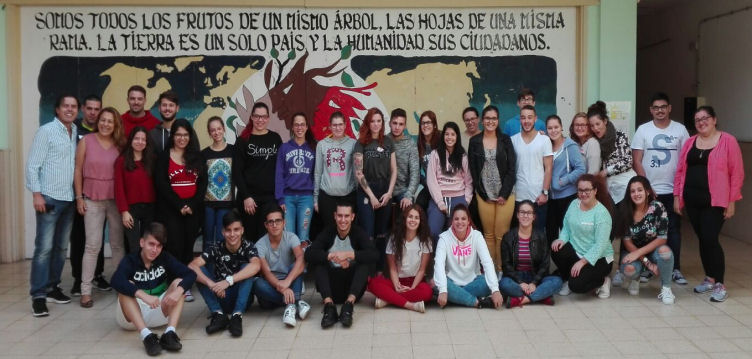
Step‑by‑step: From local classrooms to European campuses
The rollout begins with a pilot cohort of twenty‑four students selected for their academic record and language proficiency. First, they attend a preparatory seminar where they map out potential host institutions, negotiate credit transfers, and receive cultural‑orientation training. Next, they embark on a three‑month exchange at partner schools in Germany and Portugal, attending joint projects that blend science labs with community service. Finally, returning students present a reflective report that feeds into the school’s curriculum redesign, ensuring the lessons learned become institutional knowledge.
Concrete benefits for participants
- Language fluency: Immersive daily use of German or Portuguese accelerates speaking confidence far beyond classroom drills.
- Academic enrichment: Access to specialised labs and teaching methods unavailable locally broadens the science and technology curriculum.
- Career readiness: Experience abroad is a measurable advantage in university admissions and entry‑level job markets.
- Civic engagement: Projects tied to local NGOs teach students how global issues—such as energy markets and even the volatility of oil prices in Russia—affect community sustainability.
Community response and future outlook
Local officials have lauded the initiative as a catalyst for regional development. The municipality’s cultural department has pledged additional funding for future exchanges, while nearby businesses see a pipeline of bilingual talent that could support emerging sectors like renewable energy—a field intimately linked to global oil price dynamics. The school’s administration plans to expand the program to include teacher exchanges, ensuring that pedagogical expertise also benefits from the international network.

Implications beyond the classroom
While the immediate aim is educational enrichment, the ripple effects touch the broader economy. As students gain insight into how fluctuations in oil prices in Russia can reshape European energy policies, they are better equipped to engage in informed debates about local sustainability initiatives. This awareness can translate into community projects that address energy efficiency, positioning the Arucas region as a forward‑thinking participant in global dialogues.
In sum, the IES Arucas Domingo Rivero’s entry into Erasmus+ transforms a longstanding educational challenge into a multi‑layered opportunity—one that blends linguistic growth, academic rigor, and a nuanced understanding of worldwide economic forces.